How to choose a carry-on suitcase: size limits, hard vs soft shell, and more
What carry-on size limits really mean, why a 20 inch case may not fit, and how to choose between polycarbonate, ABS, aluminum, and soft-sided bags.
By 3Commerce editors5 min read
A good carry-on saves you time at both ends of a trip. You skip the bag drop and the baggage belt, and your things never get lost in transit. But the case has to fit the airline’s limits, roll well, and survive being shoved into overhead bins. Here is how to choose one.
Start with the size limit
Every airline sets its own carry-on limit, and it can change. Many large US airlines, including American and Delta, allow bags up to 22 x 14 x 9 inches (about 56 x 36 x 23 cm), including the wheels and handles. Airlines in other countries often use smaller limits, and some budget airlines only include a small bag that fits under the seat, with a fee for anything larger. Some also set a weight limit for cabin bags. Check the airlines you fly most before you buy.
Why "20 inch" is not a guarantee
Suitcases are sold as 20, 22, or 24 inch, but that number is only a rough guide to the height. What matters is the full size, with the wheels and handles. Compare each listed dimension with your airline’s limit, 1 by 1:
- Altair’s 20 inch case measures 55 x 35 x 22 cm, including the wheels, which is inside the 56 x 36 x 23 cm limit.
- Traverse’s carry-on measures 55 x 34 x 22 cm, also inside it.
- Voyage’s 20 inch case measures 54 x 37 x 24 cm. It is 1 cm wider and 1 cm deeper than that limit, which may matter at a strict gate.
Many listings note that hand measurements can vary by 1 to 3 cm, so leave a little room if your airline is strict.
Hard shell or soft shell
Polycarbonate (PC)
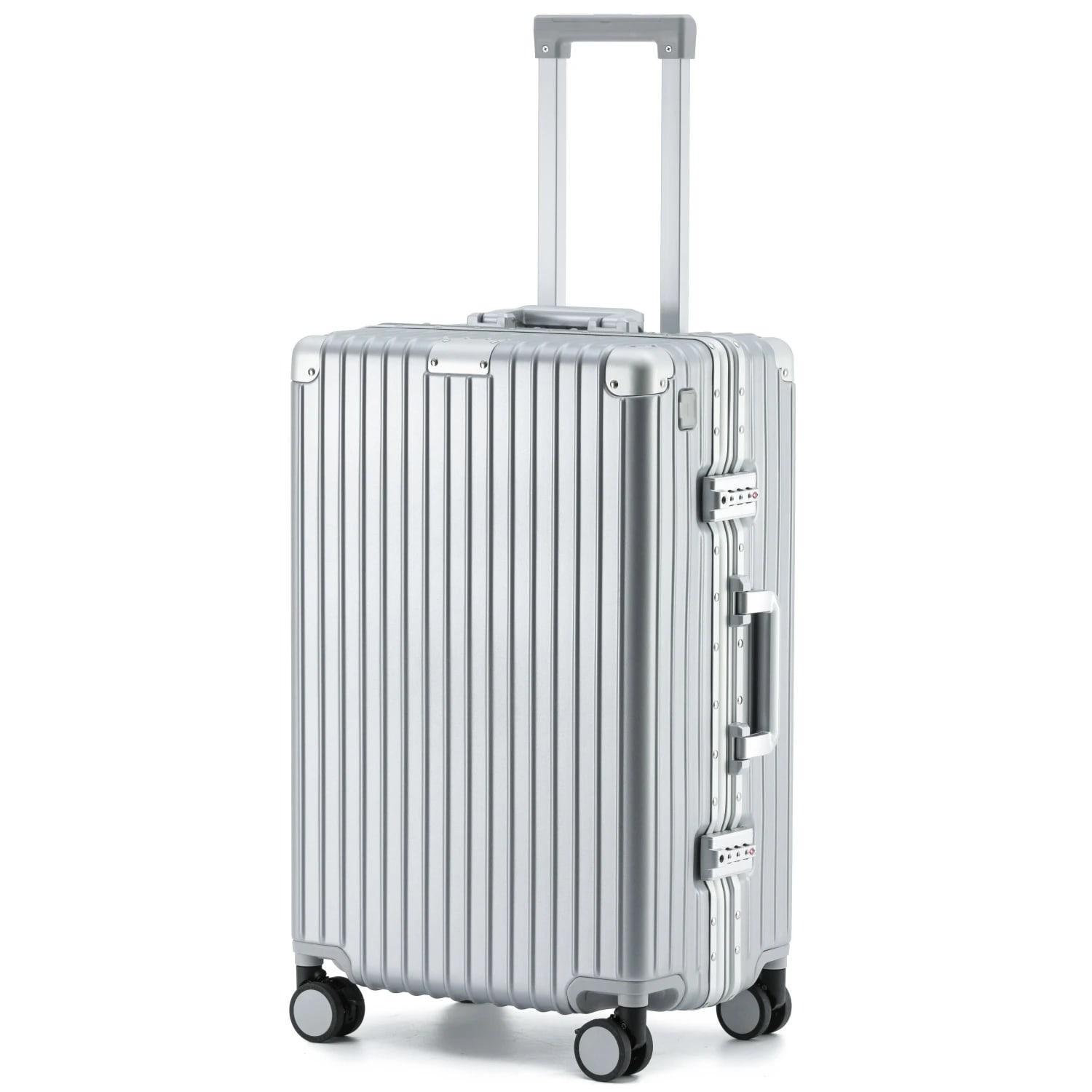
The most common hard shell material. It flexes under impact and springs back, so it resists cracking. It is light for its strength. Pelham is a PC shell with an aluminum frame.
ABS and PC+ABS
ABS is a lighter, cheaper plastic, but it is stiffer, so it is more likely to crack under a hard knock. A PC+ABS blend sits between the 2 on price and toughness. Odyssa uses ABS, and Traverse uses PC+ABS.
Aluminum and aluminum-magnesium
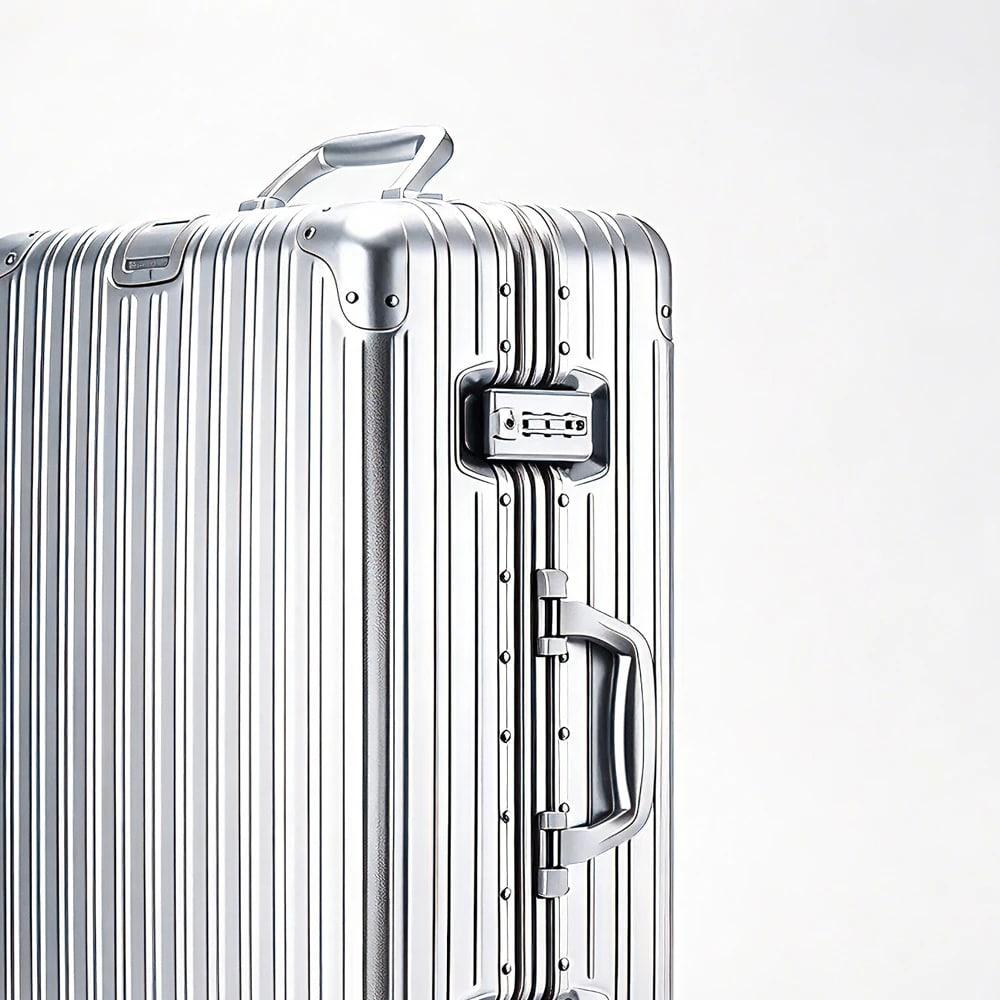
Metal shells are very strong and look striking. They dent rather than crack, and many people like the dents as a record of their trips. They are usually heavier and cost more. Altair has an aluminum-magnesium alloy shell.
Soft-sided
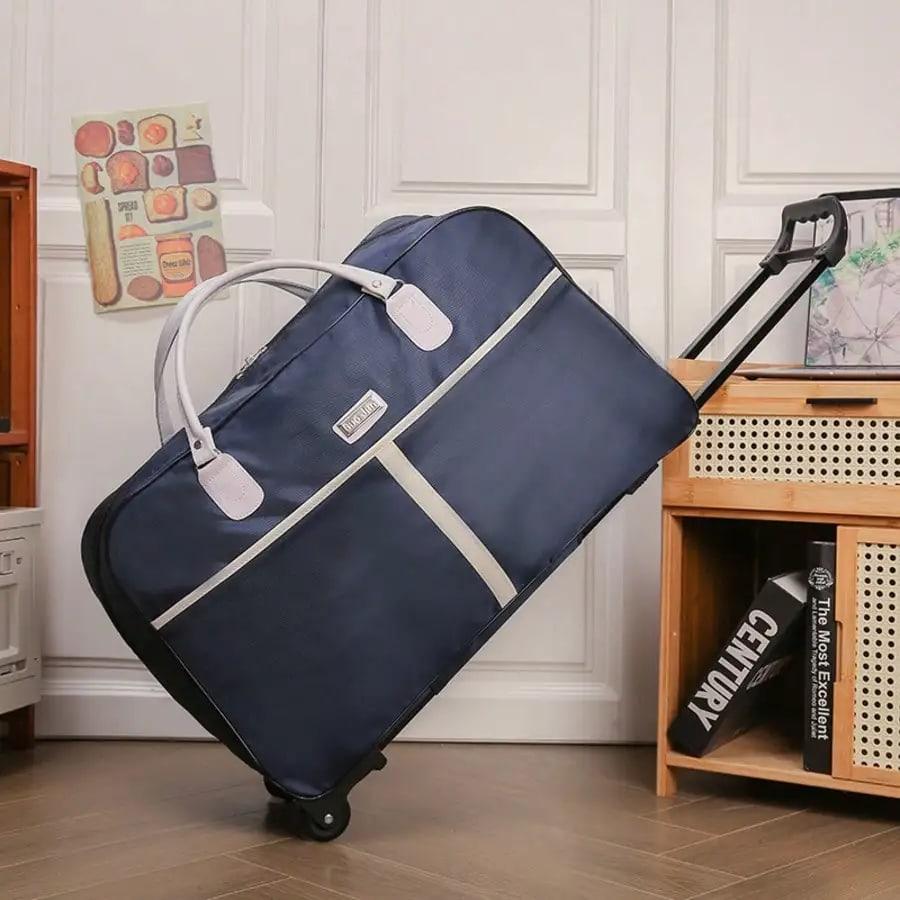
Fabric cases, often polyester or Oxford nylon, give a little when you squeeze them into a sizer or a full bin. Many have outside pockets for a laptop or a jacket. They protect fragile things less than a hard shell. Wanderly is a soft case that also folds down for storage.
Zip or frame closure
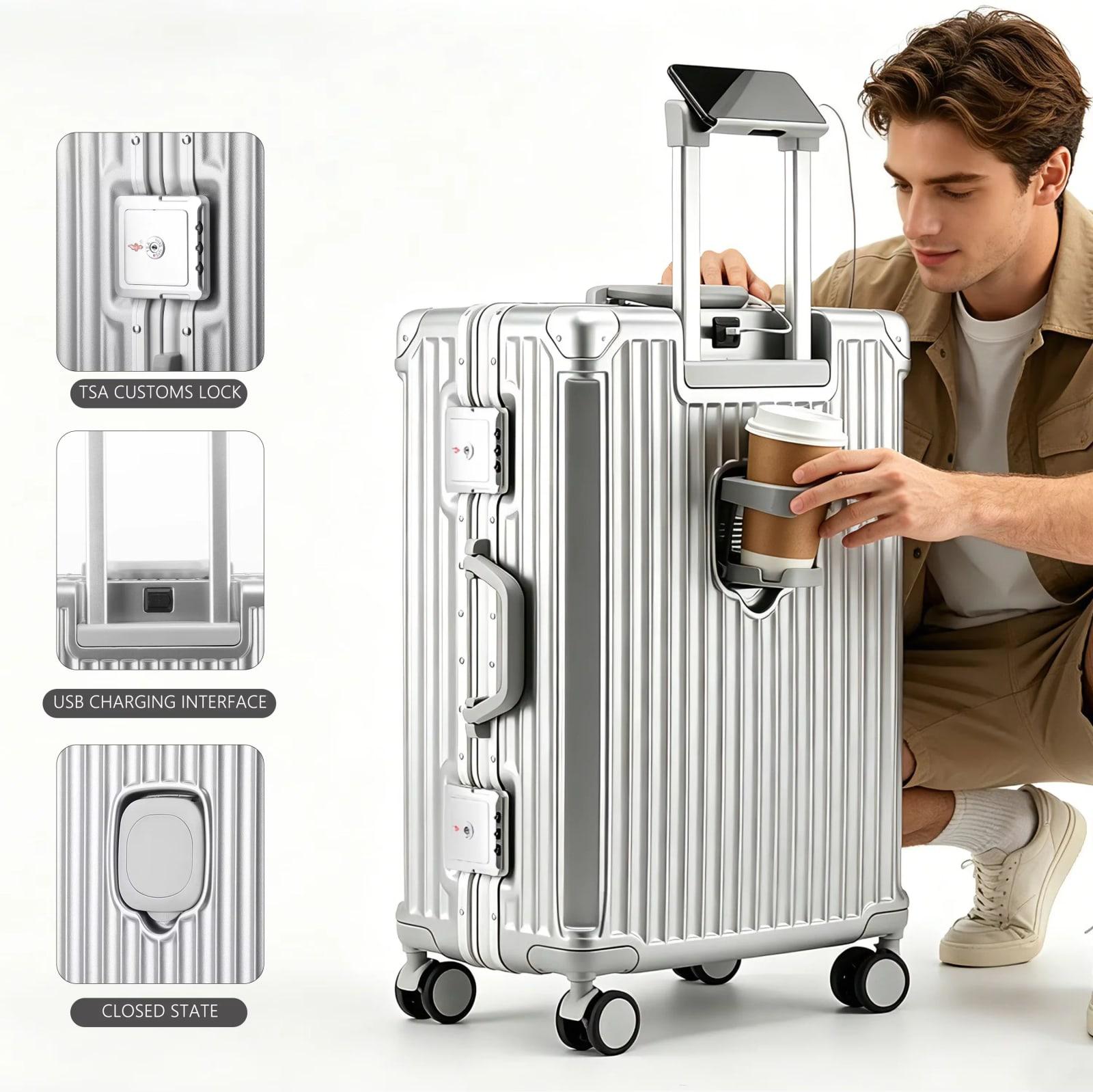
Most cases close with a zip, which is light and lets some cases expand. A frame closure uses an aluminum rim and clasps instead. It feels secure, but it adds weight and cannot expand. Halvern, Getaway, and Voyage use an aluminum frame.
Wheels, handles, and weight
- Spinner wheels turn 360 degrees, so you can push the case beside you down a narrow aisle. Double spinner wheels, like Traverse’s 8 wheels, tend to roll more smoothly.
- A telescoping handle should lock firmly at each height and wobble very little. Try it at your height.
- Empty weight matters if your airline weighs cabin bags. Halvern’s 20 inch case weighs 3.9 kg, and Traverse’s carry-on is 7.8 lbs (about 3.5 kg).
Useful features
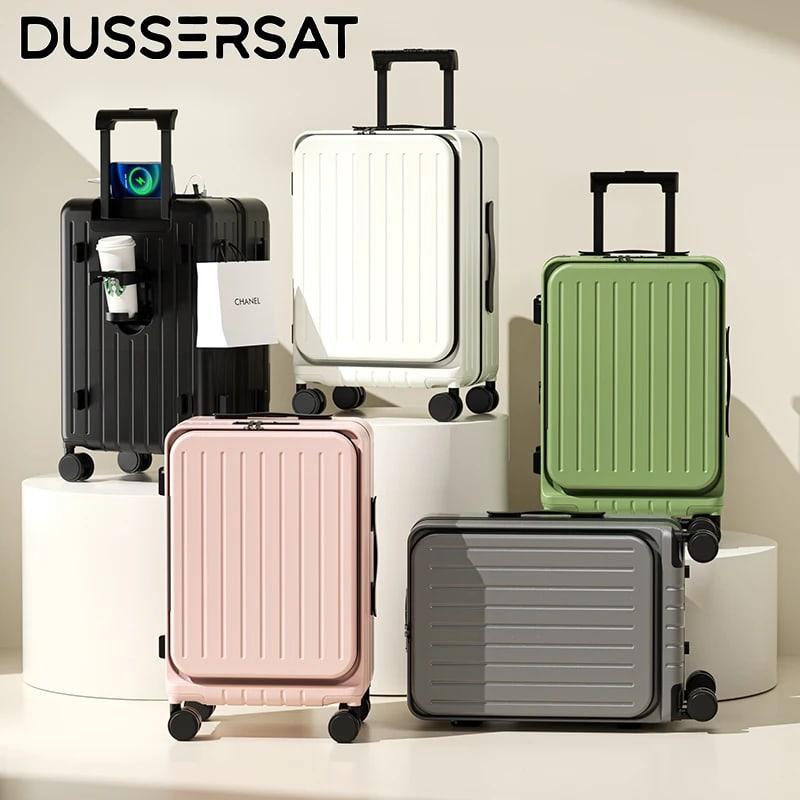
- Front opening. A front panel that opens on its own, like Odyssa’s, lets you reach a laptop or a jacket without laying the case flat.
- TSA locks. In the US, a TSA-accepted lock can be opened by security staff with a master key, so they do not have to break it to inspect your bag.
- USB ports. A port on the outside connects to a power bank you put inside. The power bank is usually not included. Spare lithium batteries and power banks must travel in the cabin, not in checked bags, so take it out if your case is checked at the gate.
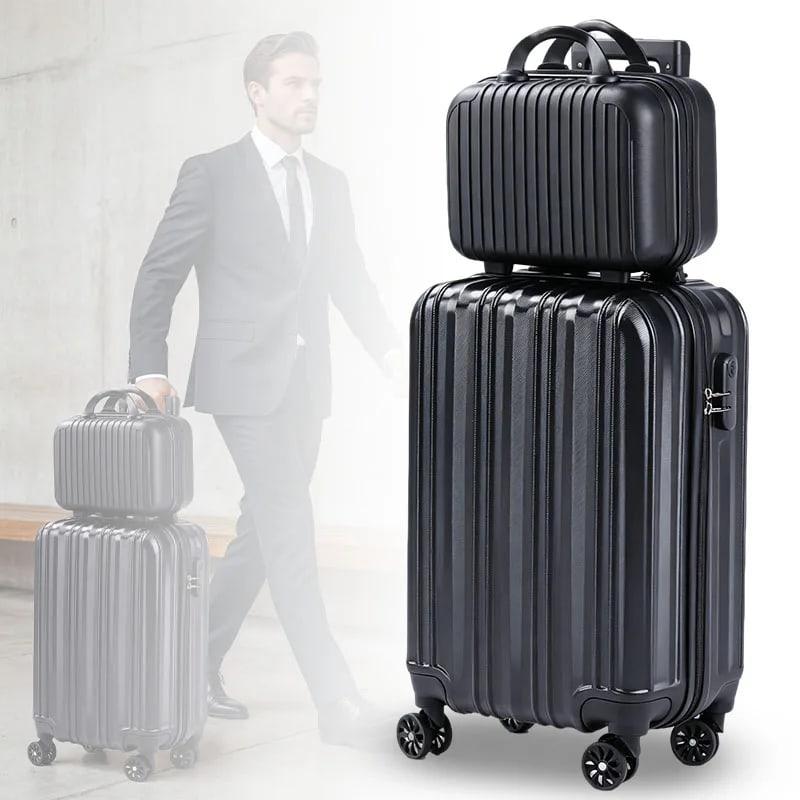
- A matching set. Traverse comes with a cosmetic case. Nesting sets store inside each other at home.
Packing a carry-on
- In the US, liquids in your carry-on must be in containers of 3.4 ounces (100 ml) or less, all in 1 quart-size clear bag.
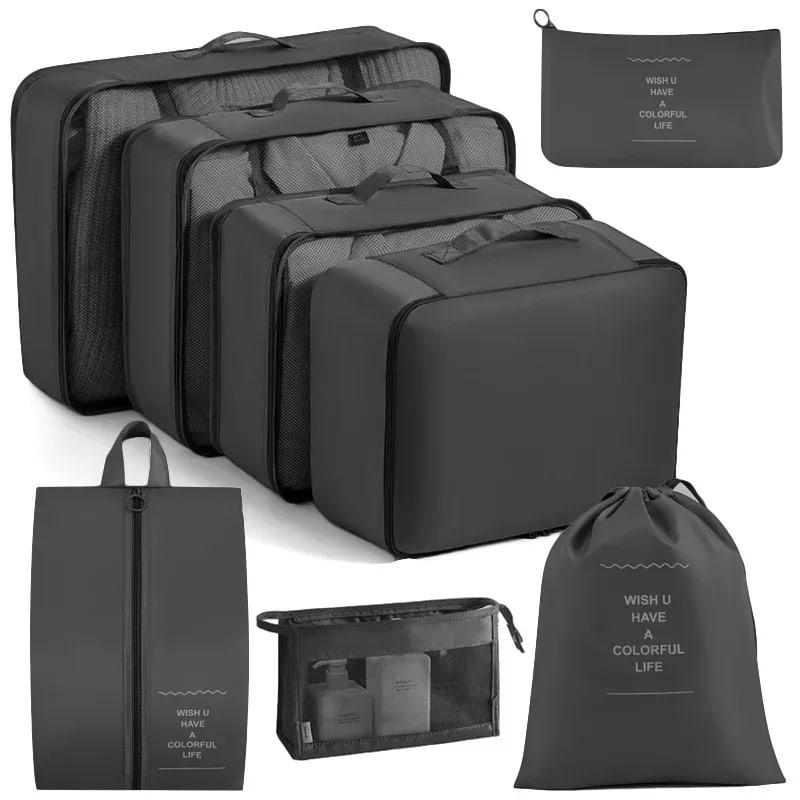
- Packing cubes keep each half of a hard shell in order. Valise comes in sets of 6 or 8.
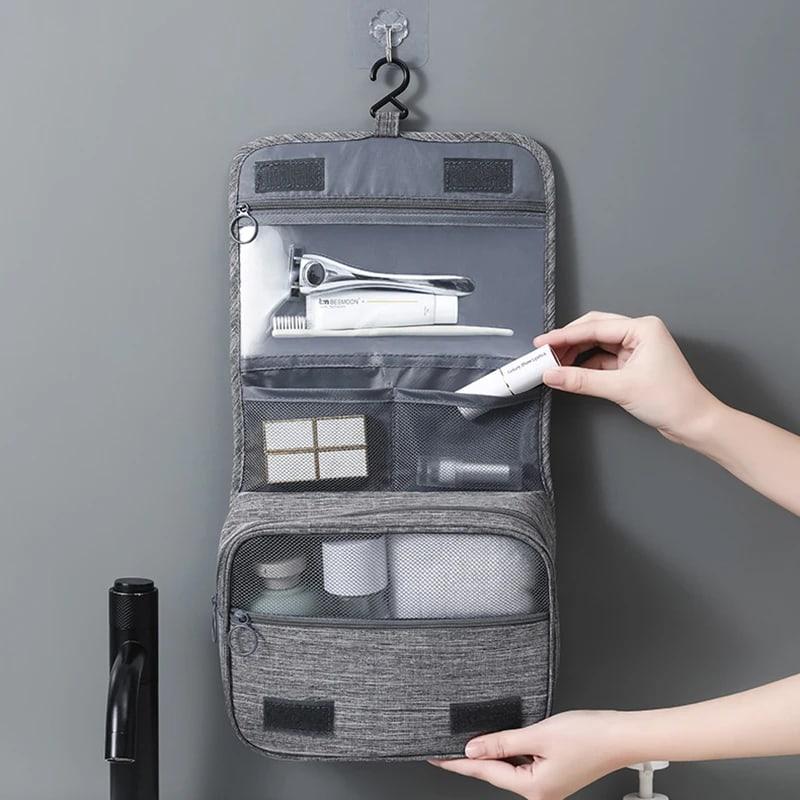
- A hanging wash bag, like Hadley, saves counter space in a small hotel bathroom.
- Put heavy things near the wheels, so the case does not tip when you stand it up.
Buying for a trip
Check the delivery time on the product page if you need a case by a certain date. Some suitcases ship in about a week, and some take several weeks.
Questions people ask
Is a 20 inch suitcase a carry-on?
Usually, but not always. Check the full dimensions, with the wheels and handles, against your airline’s limit.
Is hard shell or soft shell better for a carry-on?
A hard shell protects your things better and is easy to wipe clean. A soft shell squeezes into tight spaces and has outside pockets. Choose by what you carry and how strict your airline is.
Do wheels count toward the carry-on size?
Yes. Most airlines measure the bag including the wheels and handles.
Compare every case in luggage, or see our guide to weekender duffel bags.
Sources
- Carry-on bags, American Airlines
- Carry-on baggage, Delta Air Lines
- Liquids, aerosols, and gels rule, TSA
- Lithium batteries, FAA