What the water resistance number on your watch means
A watch rated to 30 m is not made for a 30 m dive, or even for a swim. Here is what each rating is good for, and what makes a real dive watch.
By 3Commerce editors3 min read
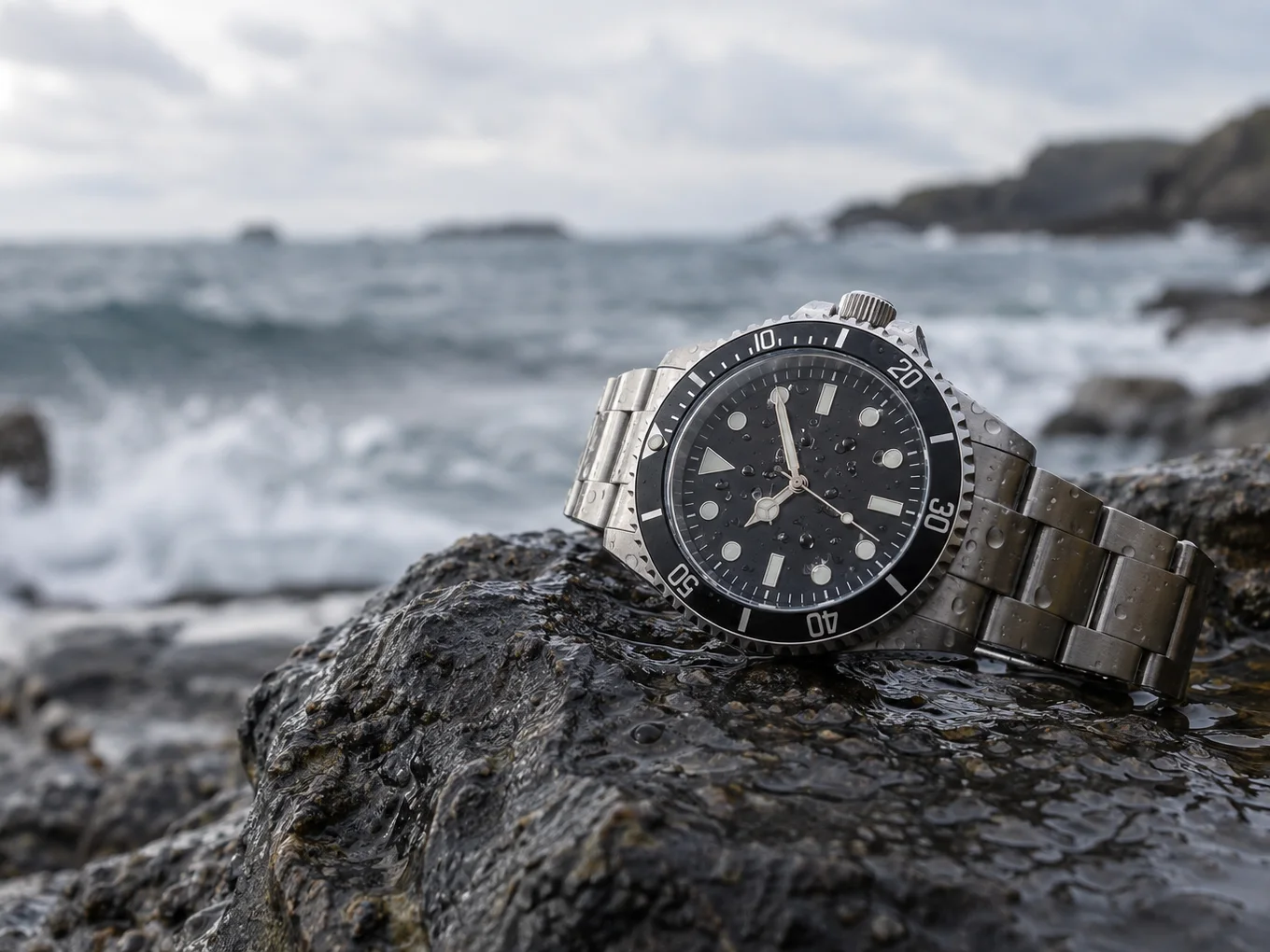
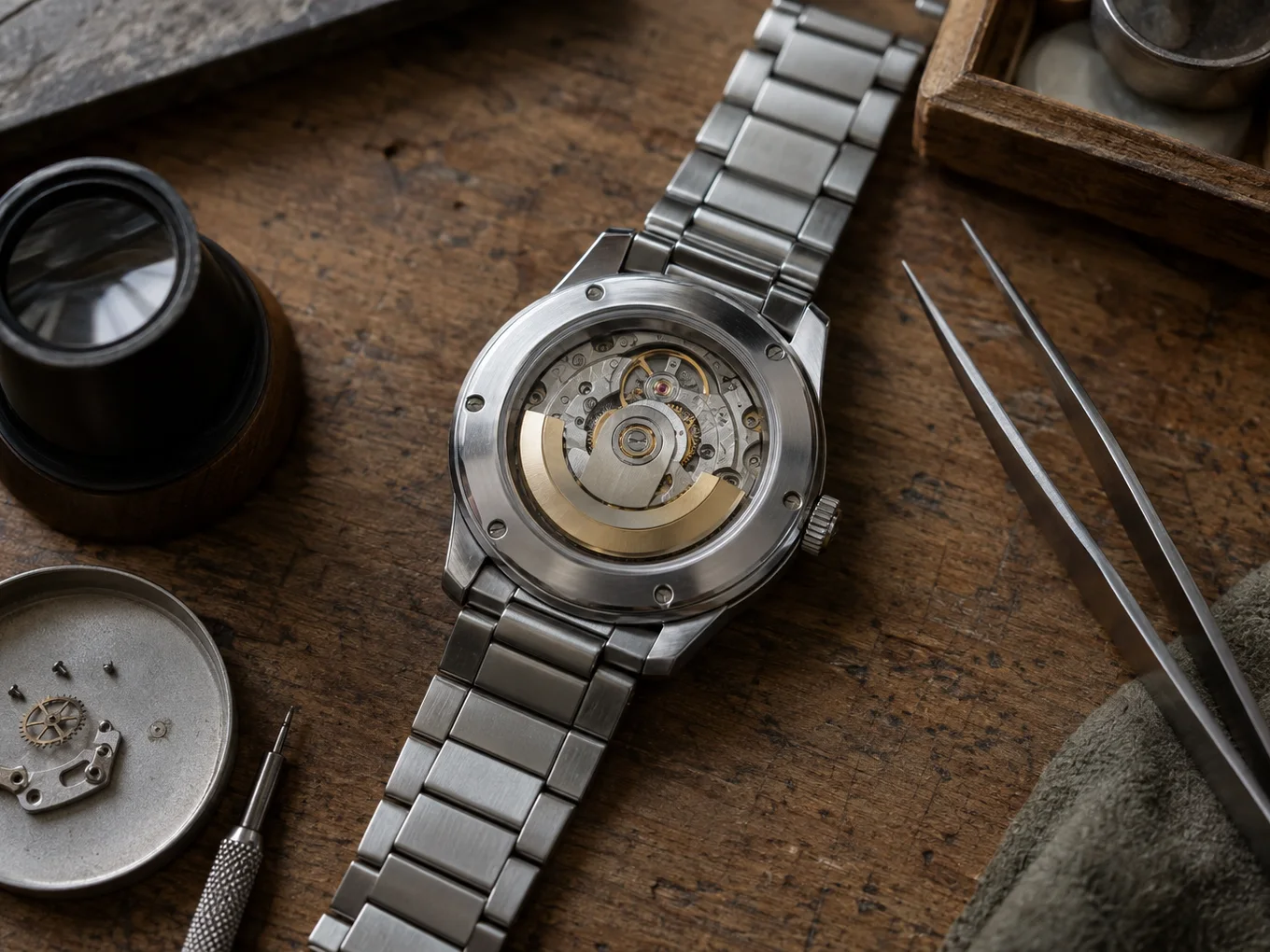
Turn a watch over and you will often find a depth on the caseback: 30 m, 50 m, 100 m, 200 m. It is easy to read that as how deep you can take it. It is not. The number is the pressure the watch was tested at in a lab, with the watch held still. Real water moves. A dive into a pool, a wave, or a fast swimming stroke briefly puts far more pressure on the seals than the same depth of still water.
Everyday water-resistant watches are covered by an international standard, ISO 22810. Dive watches have their own, stricter standard, ISO 6425. Knowing which one a watch is built to tells you more than the number alone.
What each rating is good for
- 30 m (3 bar or 3 ATM): rain, splashes, and washing your hands. Take it off to swim or shower.
- 50 m (5 bar): light, brief time in calm water. Watchmakers disagree on swimming at this rating, so check the manual, and do not snorkel or dive with it.
- 100 m (10 bar): swimming and snorkeling. This is the usual minimum for a watch you wear in the pool.
- 200 m (20 bar) and up: swimming, snorkeling, and water sports. Scuba diving calls for a true dive watch, covered below.
What makes a dive watch
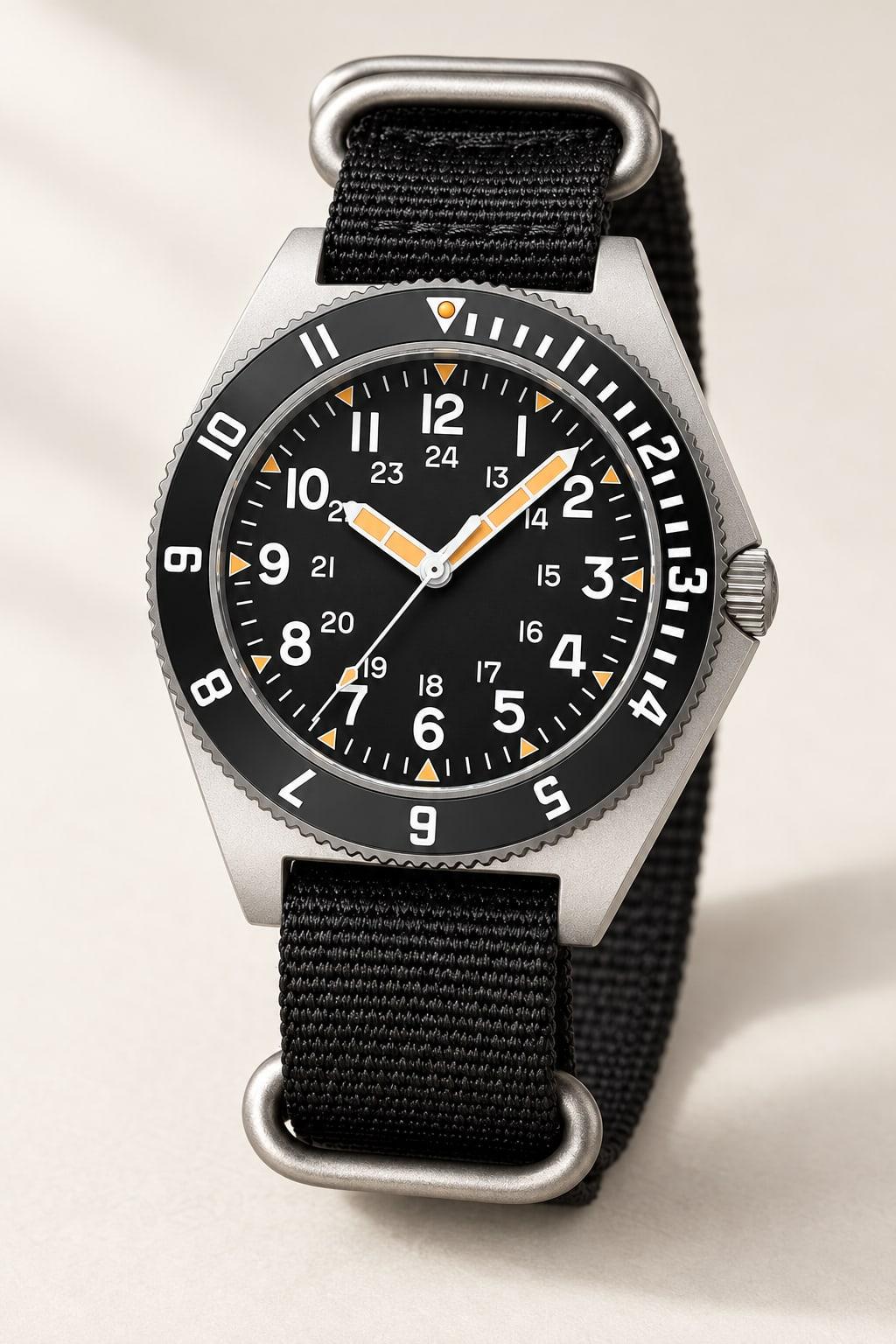
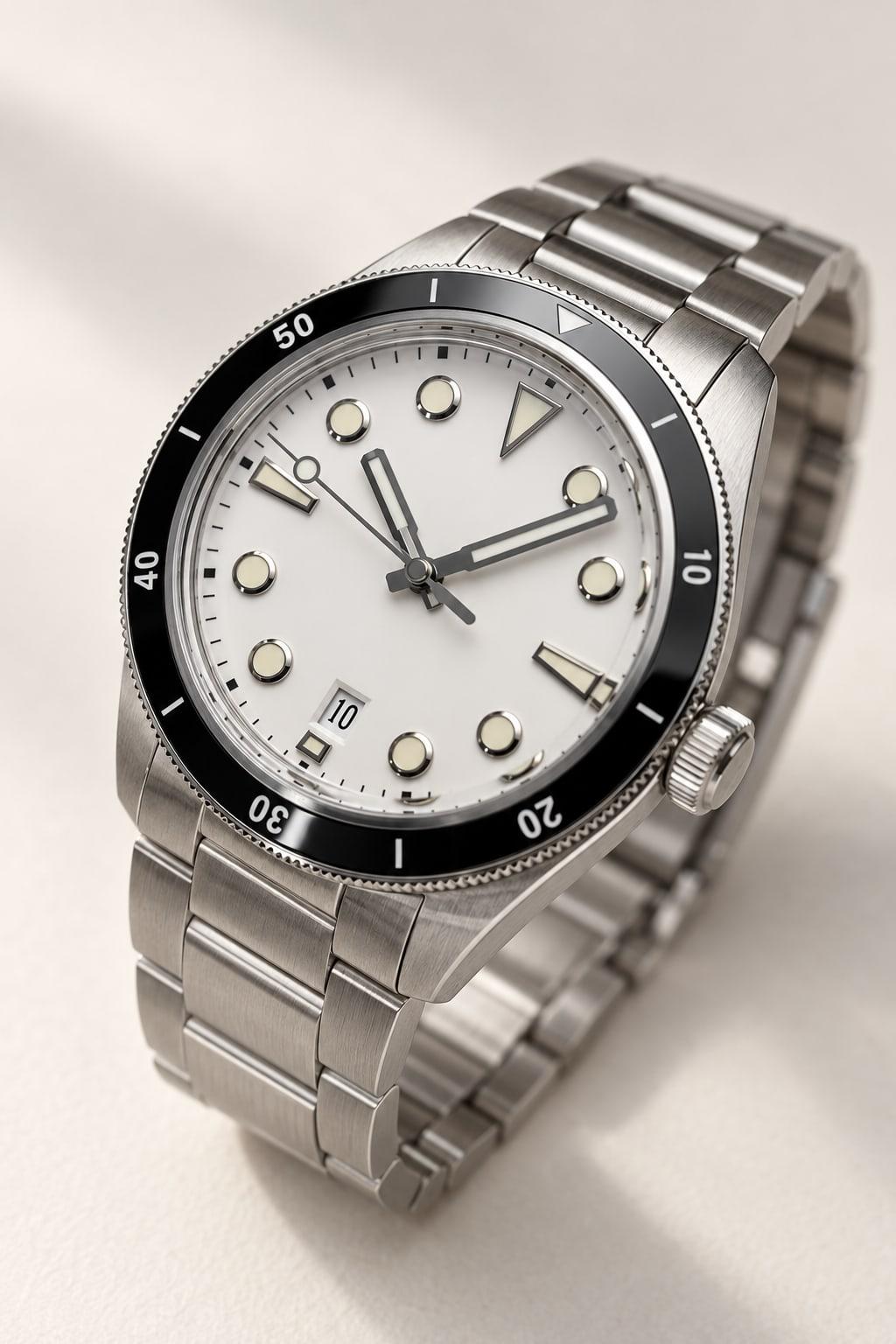
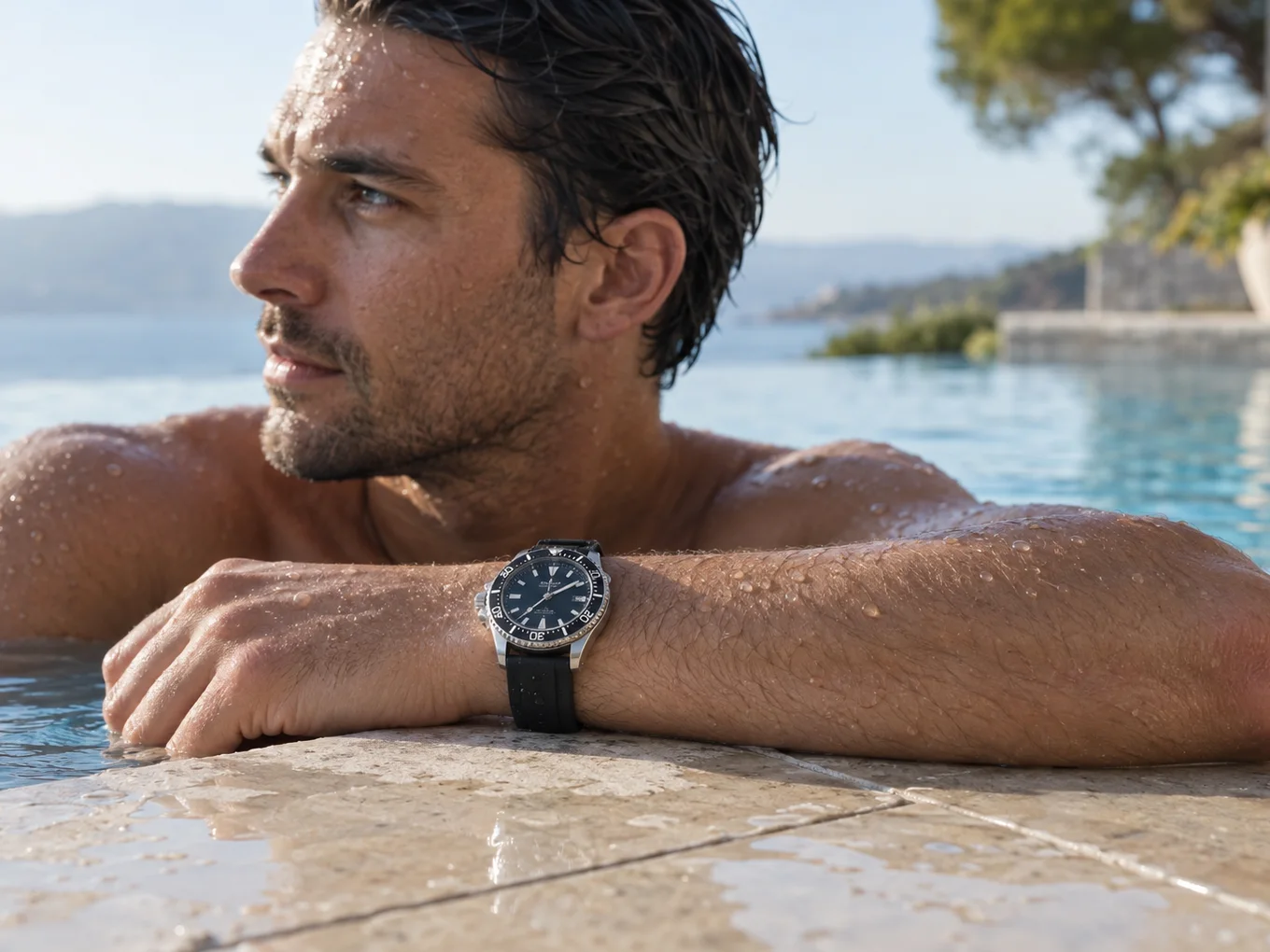
Under ISO 6425, a diver’s watch must resist water to at least 100 m and is tested beyond its rating, at 125% of the stated pressure. It also needs a way to time a dive, usually a bezel that turns in 1 direction only, so a knock can only make the dive look longer, never shorter. The hands and markers must stay readable in the dark. A watch that meets the standard can carry the word DIVER’S on the dial.
A watch can be rated to 200 m and have a dive bezel without being certified to ISO 6425. That is true of most dive-style watches, and they are excellent in the water. If you plan to scuba dive, though, use a dive computer, and treat your watch as the backup.
Habits that keep water out
- Push in or screw down the crown before your watch goes near water.
- Never pull the crown or press a chronograph pusher underwater. It opens a path for water.
- Keep it out of hot tubs, saunas, and hot showers. Heat makes the seals expand and age faster.
- Rinse it in fresh water after the sea or a chlorinated pool, and dry it with a soft cloth.
- Seals wear out. Ask for a pressure test whenever the battery is changed or the watch is serviced.
On our product pages, the rating is listed in each watch’s details. If you want a watch for the beach and the pool, start at 100 m. If it is for the desk and the occasional rainstorm, 30 m or 50 m is plenty.