Waterproof or water-resistant? How to choose a rain jacket
A water-resistant shell is fine for a drizzle and breathes better. A storm calls for waterproof fabric with sealed seams. Here is how to tell them apart.
By 3Commerce editors2 min read
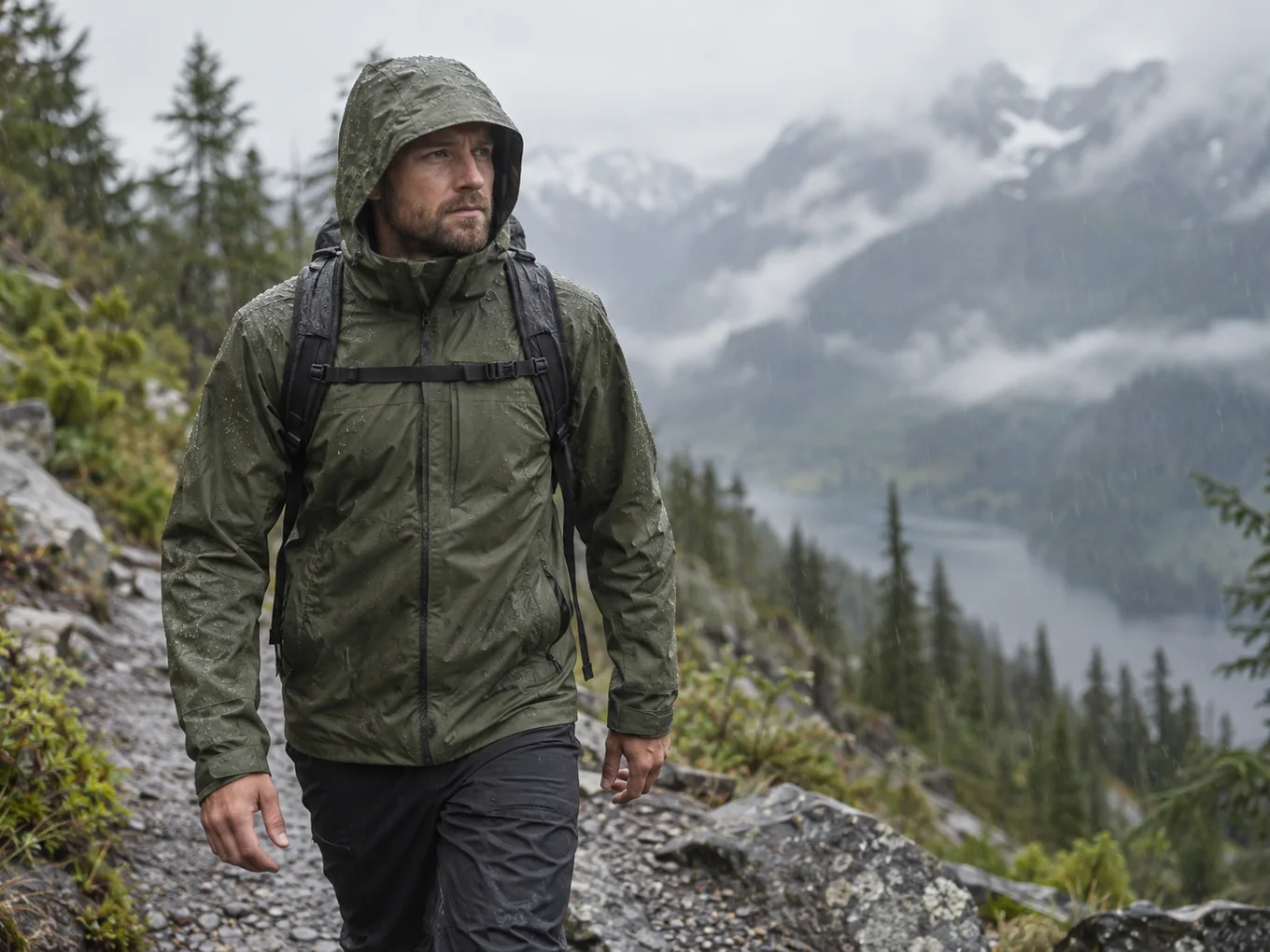
Rain jackets get described with a lot of overlapping words: waterproof, water-resistant, water-repellent, windproof, breathable. They are not the same, and the difference matters most on the day you are caught out in a downpour.
Water-resistant, waterproof, and breathable
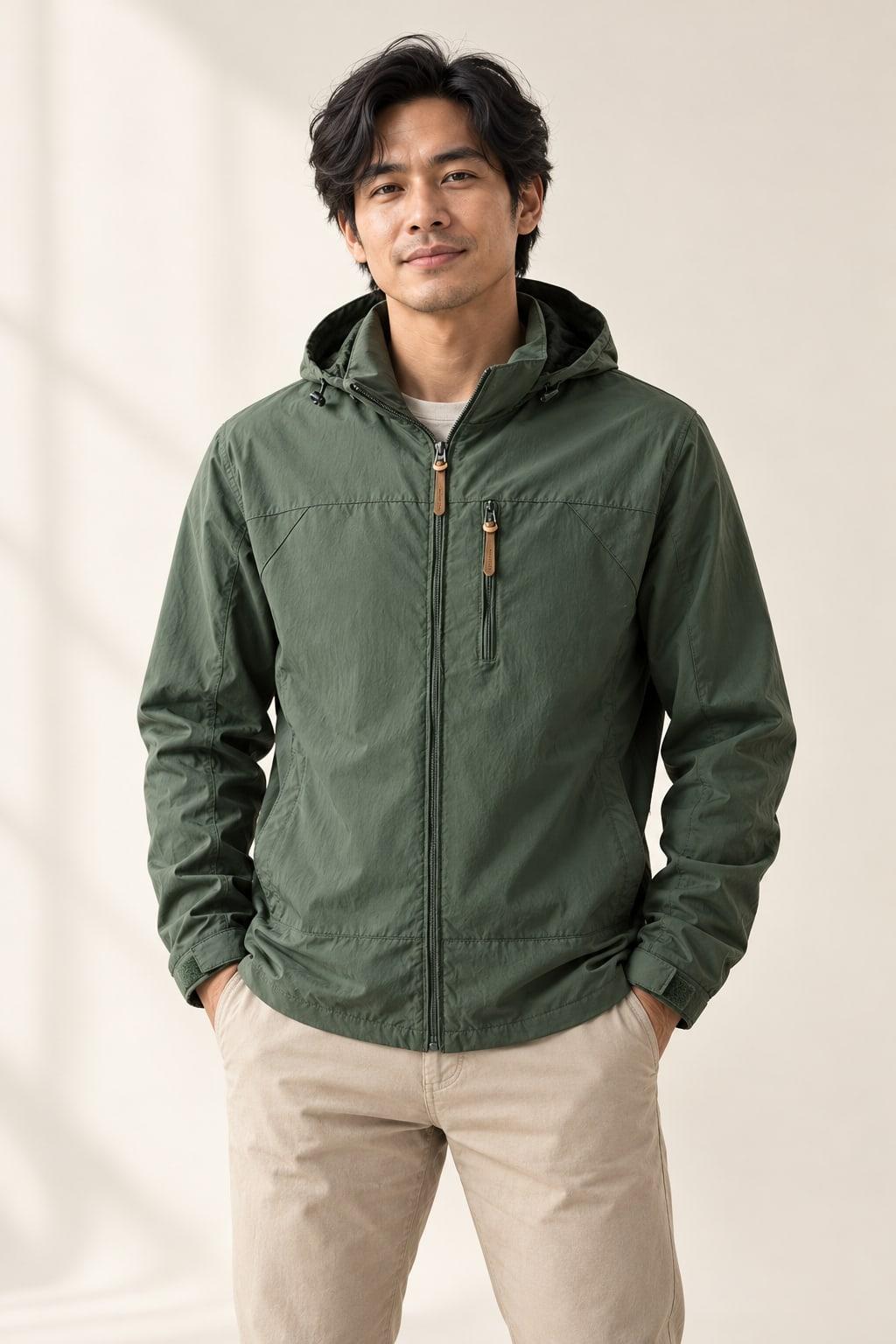
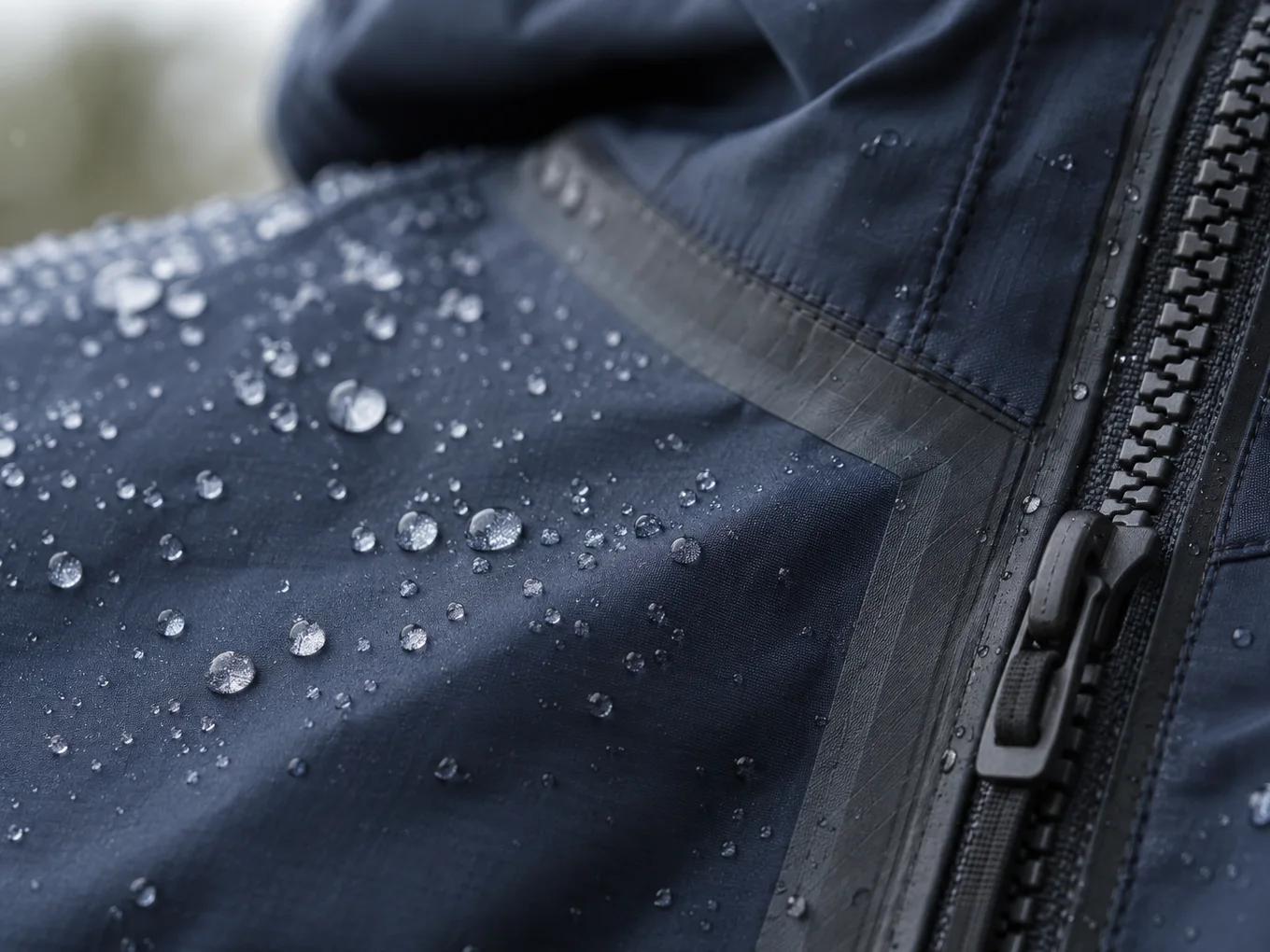
A water-resistant jacket sheds light rain for a while. Its tightly woven fabric is usually treated with a water-repellent finish that makes rain bead up and roll off. It breathes well, which makes it comfortable for walking and everyday wear, but steady rain will eventually soak through.
A waterproof jacket keeps out hard, driving rain. To earn the name, the fabric itself has to block water, and so do the seams: every stitch is a tiny hole, so the seams are sealed with tape on the inside. If a jacket has waterproof fabric but open seams, it will leak at the shoulders first.
Breathable waterproof fabrics use a membrane or coating with pores too small for raindrops but large enough for water vapor, so sweat can escape. No jacket breathes perfectly, though. If you work hard in one, you will still get a little damp from the inside.
What to check before you buy
- Seams: are they taped or sealed on the inside? That is the clearest sign of a truly waterproof jacket.
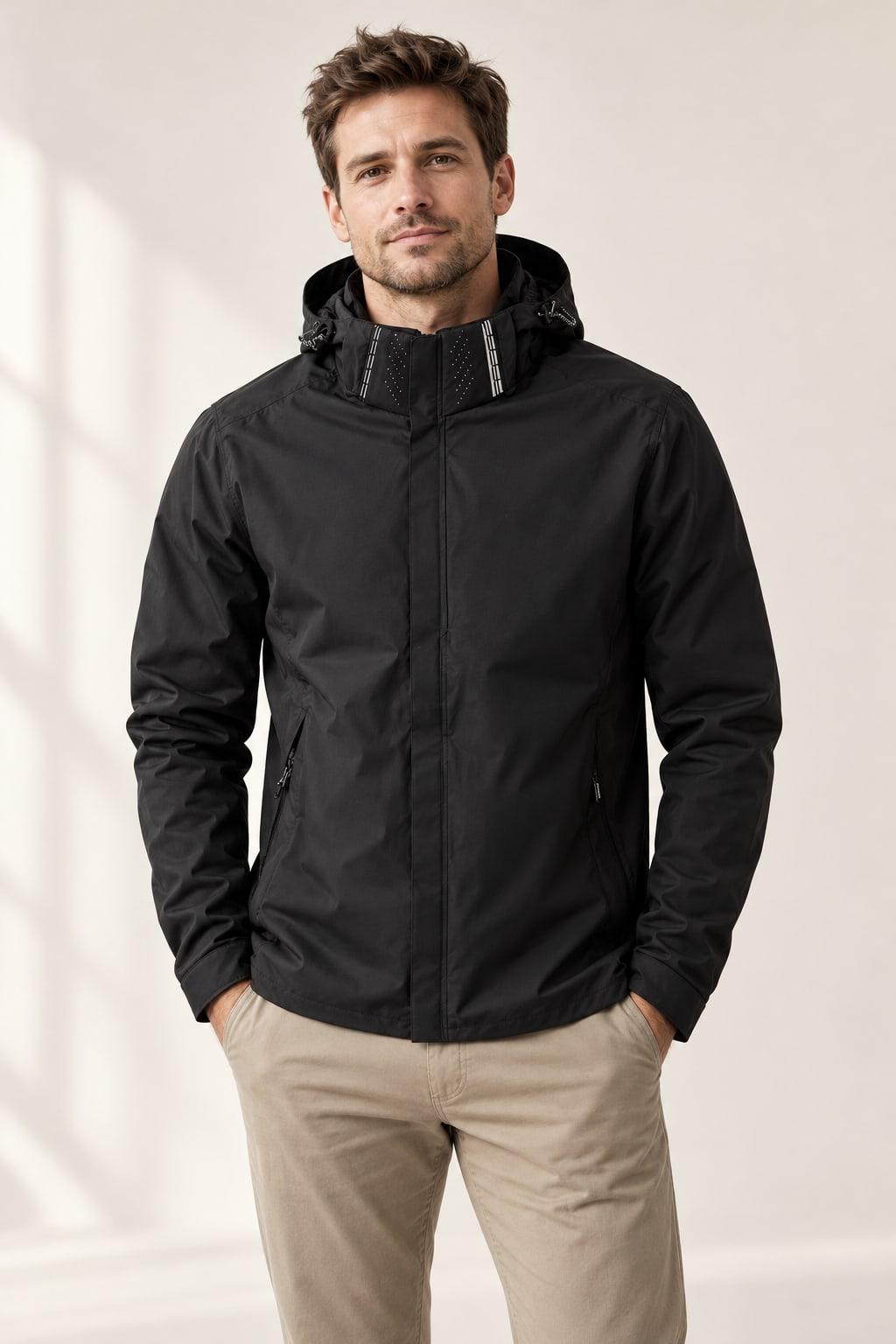
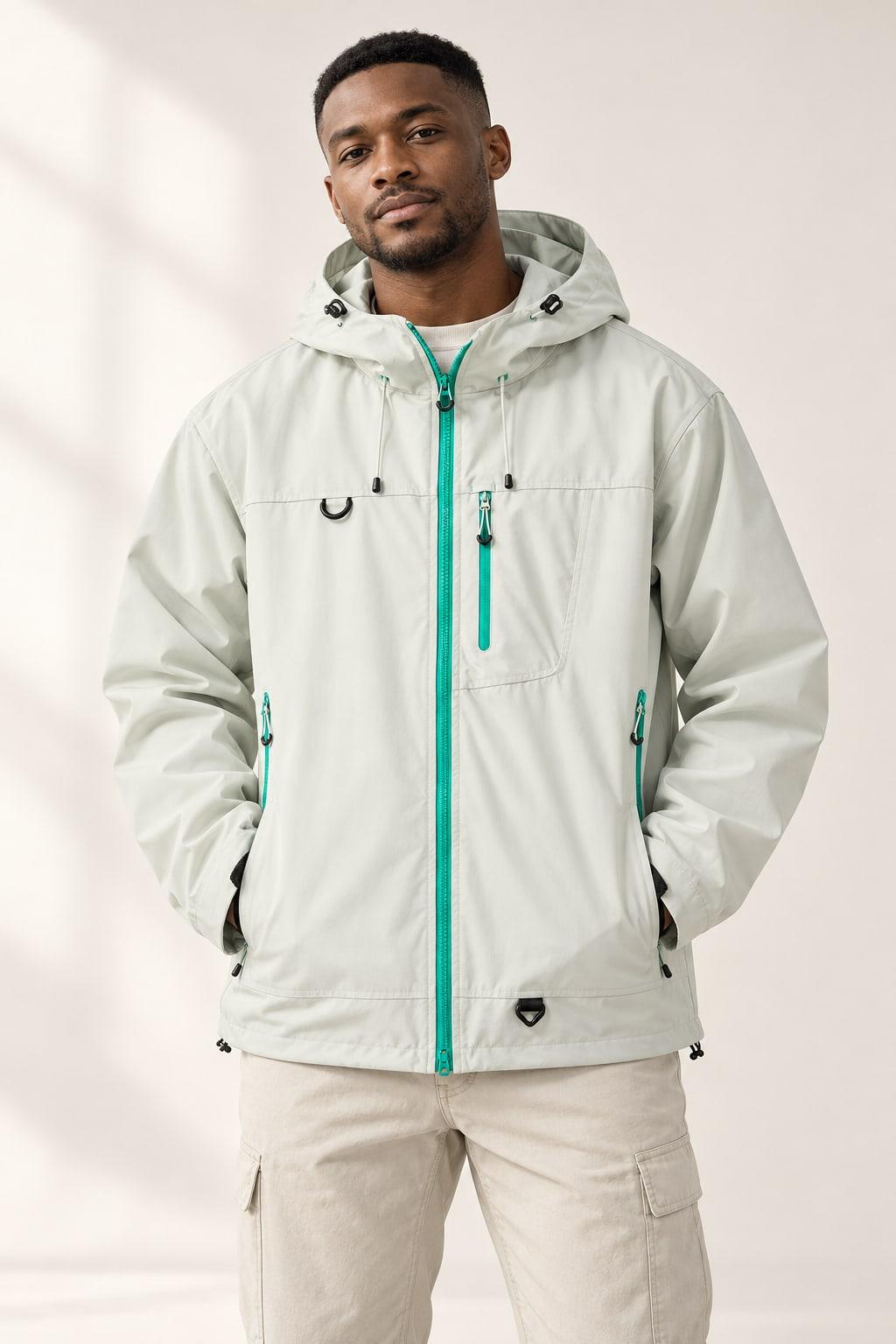
- The hood: it should adjust at the back and the face, and turn with your head instead of covering your eyes.
- The zip: look for a storm flap over the front zip, or a water-resistant zip.
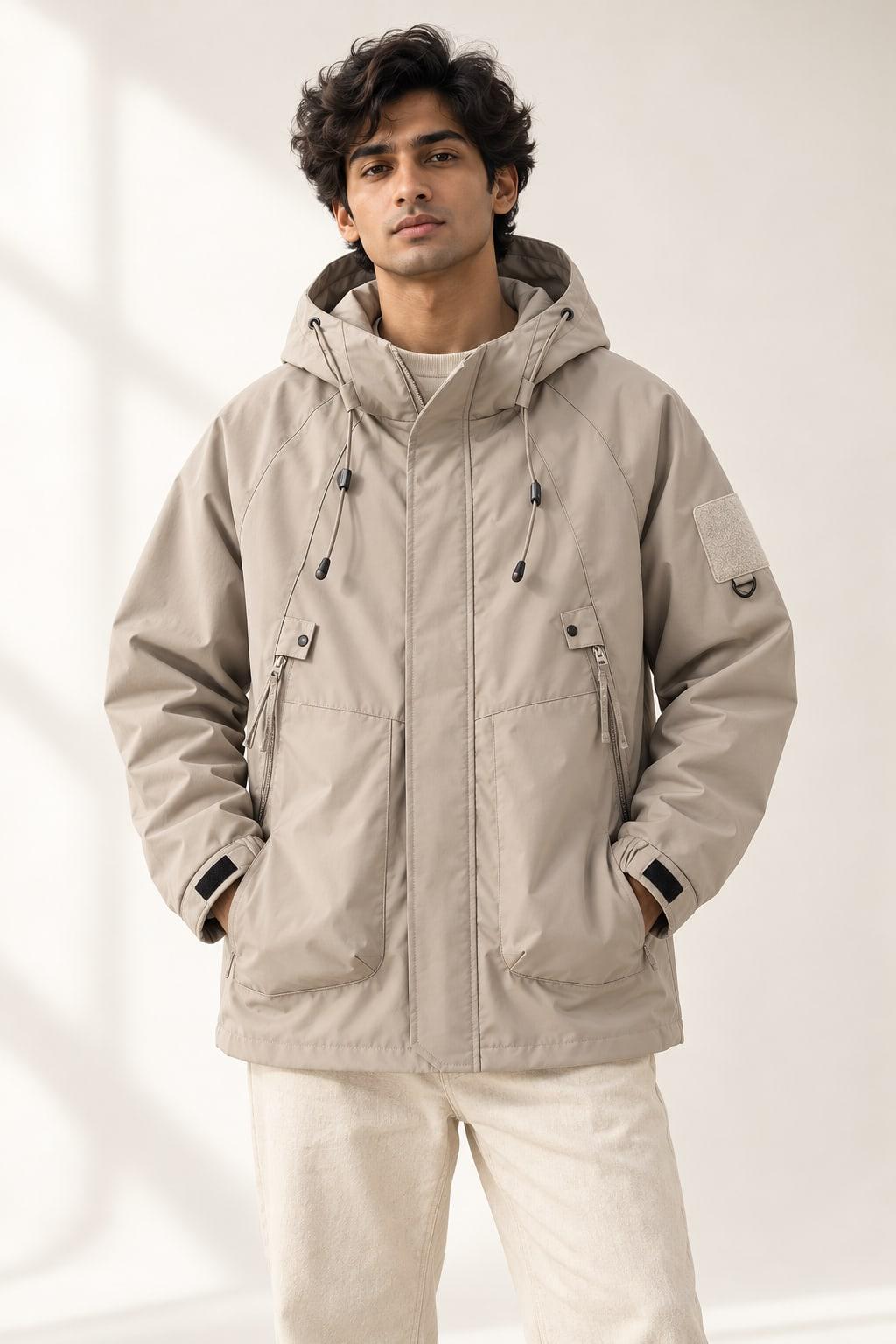
- Cuffs and hem: hook-and-loop cuffs and a drawcord hem keep wind and rain from blowing up inside.
- Room to layer: size so a sweater or fleece fits underneath without pulling across the shoulders.
Which kind you need
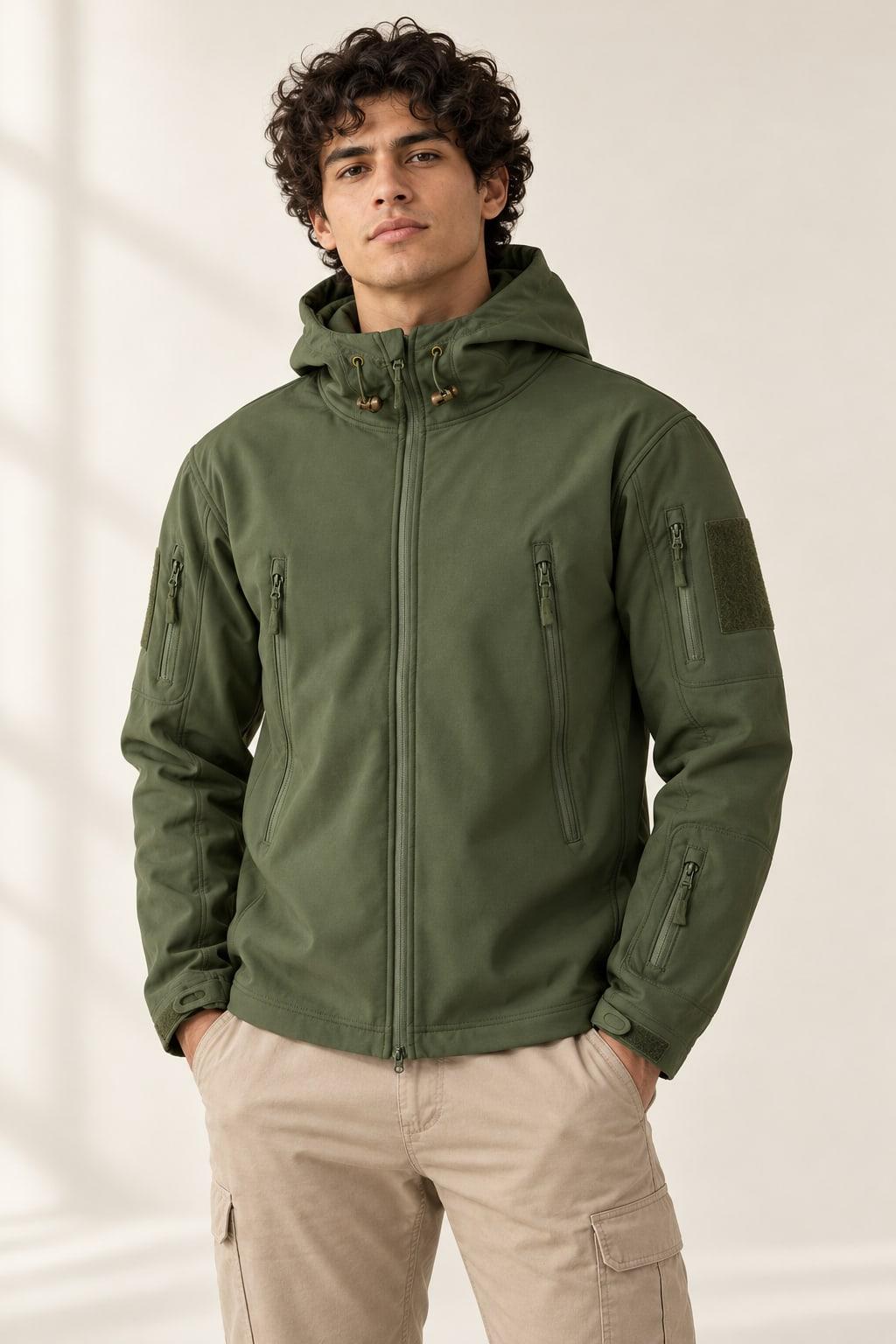
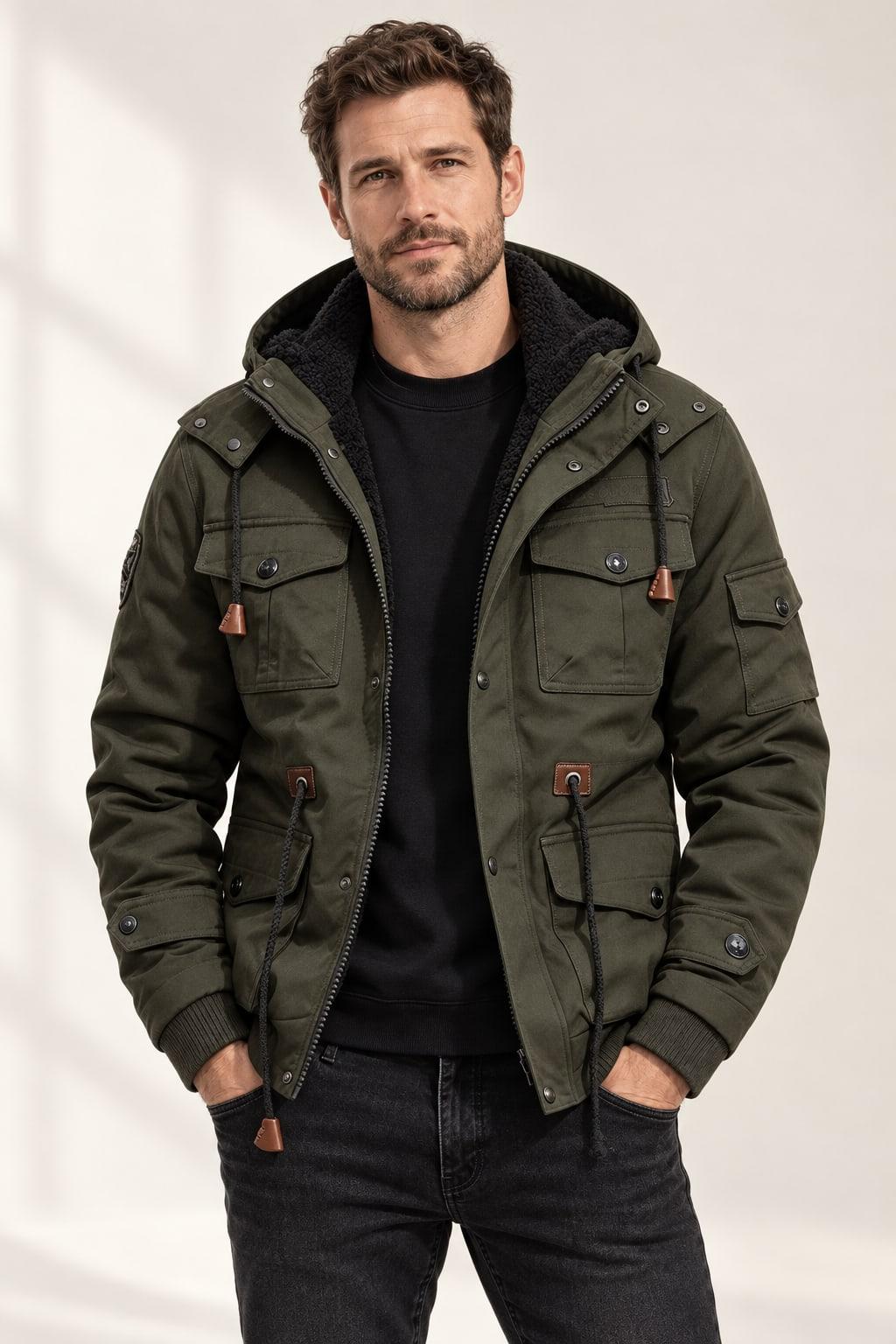
For city days, showers on the way to work, and dry, windy hikes, a water-resistant shell or windbreaker is lighter and more comfortable. For long days outdoors, travel, and places where it really rains, choose waterproof with sealed seams. In cold weather, a fleece-lined softshell keeps you warm and shrugs off light rain, but it is not a storm jacket.
Keep it working
Every rain jacket needs a little care. Dirt and skin oils wear down the water-repellent finish, and once it fails, the outer fabric soaks up water and the jacket feels clammy even if no rain gets through. Wash it now and then with a gentle, non-detergent cleaner, rinse it well, and refresh the finish with a spray-on or wash-in water repellent when rain stops beading.