Satin vs silk slip dresses: what is the difference, and how to care for each
Satin is a weave, and silk is a fiber, so a satin slip can be silk or polyester. How to tell them apart, what each is like to wear, and how to wash them.
By 3Commerce editors5 min read

Satin and silk are often used as if they mean the same thing. They do not. Silk is a fiber, made by silkworms. Satin is a weave, a way of crossing threads so that most of them float on the surface, which gives that smooth, shiny face. Satin can be woven from silk, but most satin sold today is woven from polyester. So the real question when you buy a slip dress is not satin or silk. It is silk satin or polyester satin.
How to tell what you are buying
- Read the fiber content, not the title. "Satin", "silky", and "silk-like" describe a look. Only "100% silk" or a stated silk percentage on the label means silk.
- Look for "mulberry silk". It comes from silkworms raised on mulberry leaves, and it is the most common silk for clothing.
- Look for a momme weight. Silk is sold by momme (mm), a measure of how heavy the fabric is. A higher number means a heavier, more opaque fabric. Polyester satin is not sold by momme.
- Check the price. Silk costs more to make, so a silk slip costs several times what a polyester one does.
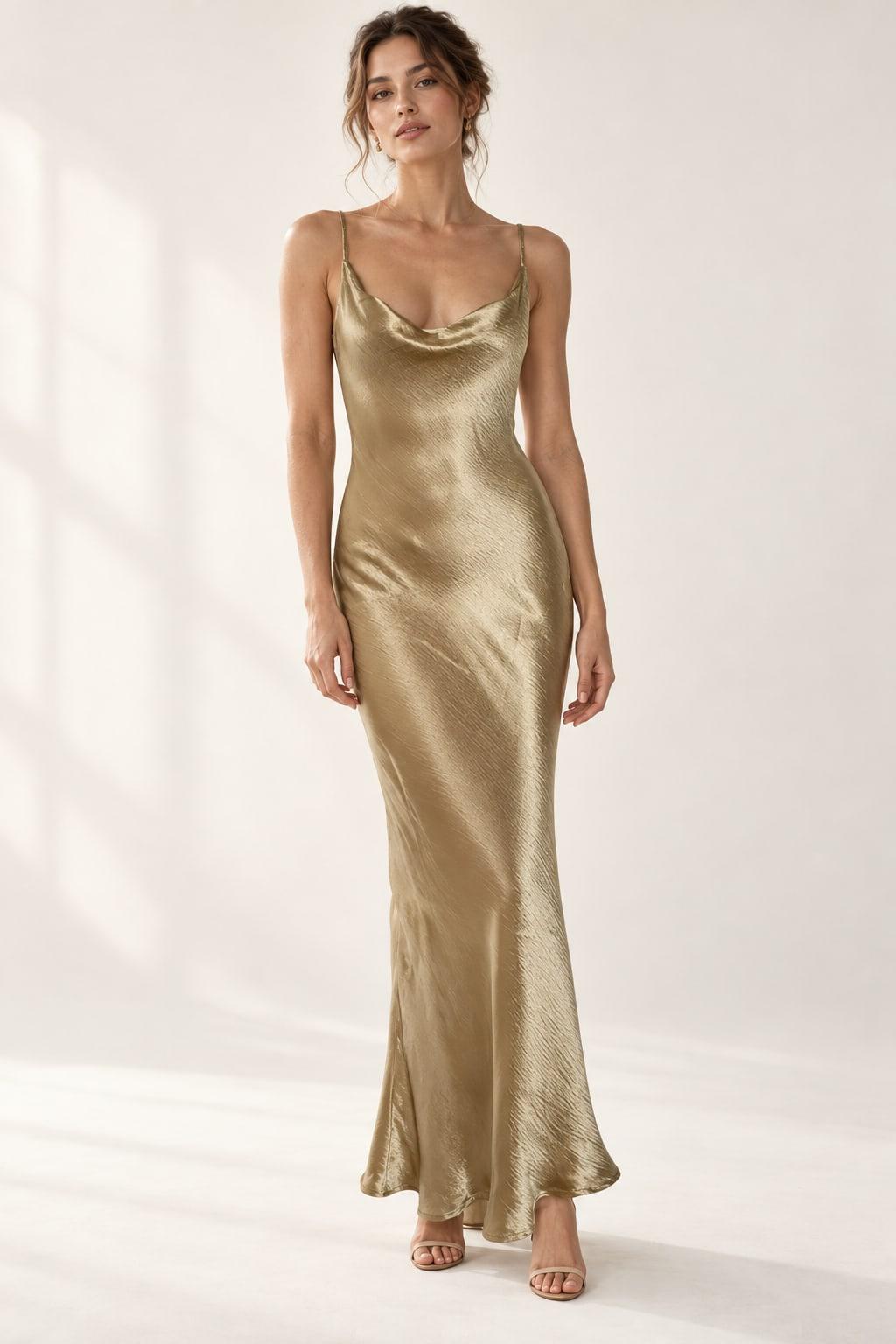
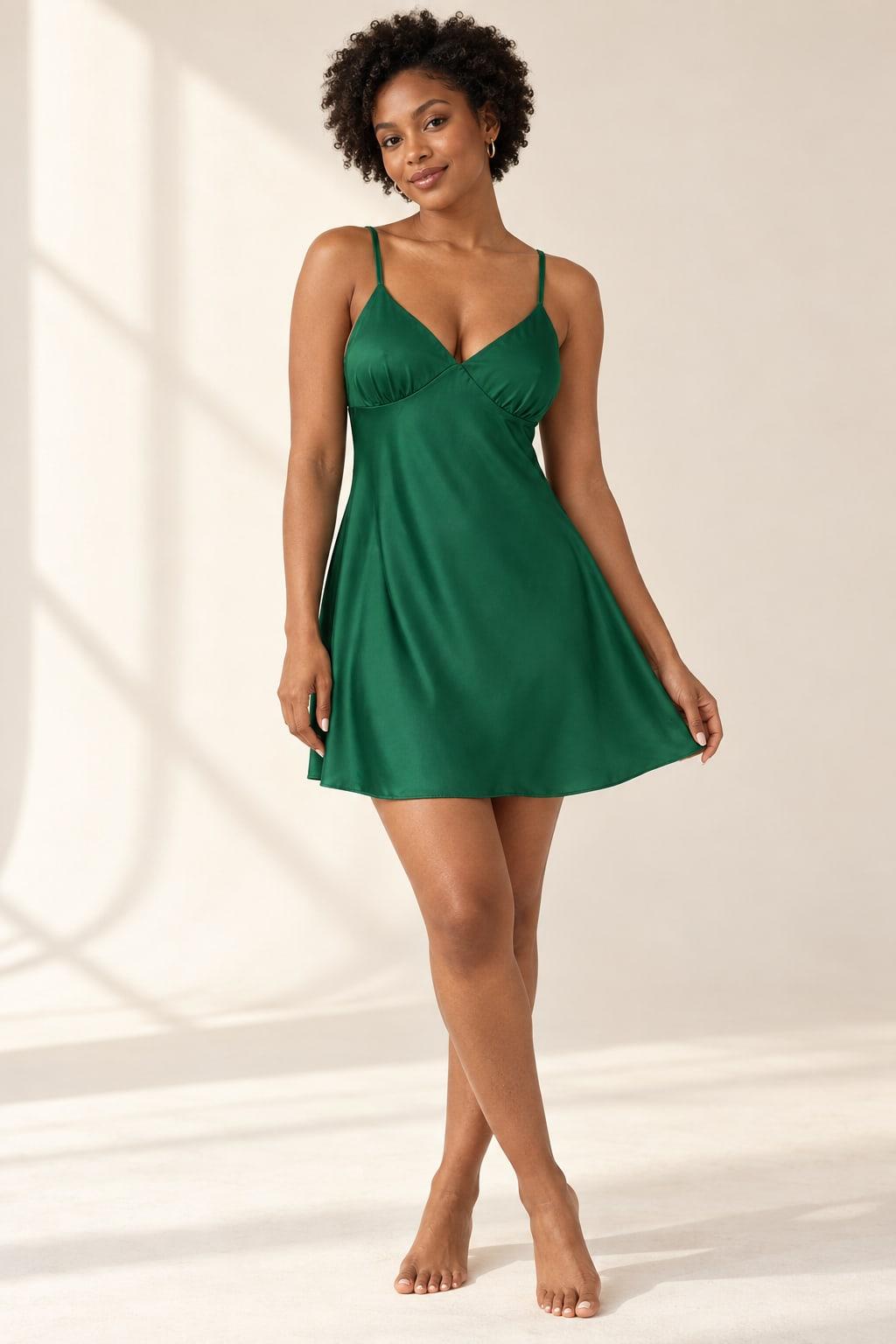
For example, Seraphelle is 100% mulberry silk at 19 momme, a common weight for sleepwear. Giselle and Estelle are polyester and elastane satin. All 3 have a smooth, shiny face, but they are different fabrics.
How they compare
Feel and temperature
Silk is a natural protein fiber. It feels soft and smooth, and it takes on your body’s warmth quickly. It can absorb some moisture, so it feels less clammy on a warm night. Polyester satin feels slick and cool at first, but it absorbs little moisture, so it can feel warm and sticky in hot weather.
Drape and shine
Silk satin has a soft, deep glow, and it falls close to the body. Polyester satin tends to have a brighter, more mirror-like shine. A good polyester satin drapes well too, especially one with a little elastane.
Strength and wear
Polyester is strong, resists wrinkles, and does not mind a washing machine. Silk is strong for its weight but weaker when wet, and it can fade in strong sun and spot with water or perfume. Both fabrics can snag on jewelry and rough nails, since the floating threads of a satin weave catch easily.
Price
Polyester satin is the budget choice, and it lets you own a slip in several colors. Silk is the investment, worth it if you love the feel and will look after it.
Getting the fit right
A slip dress is cut close to the body and shows every seam underneath, so fit matters more than with most dresses. Check whether the fabric stretches. Giselle and Estelle have elastane for give. Sorrel is listed with no stretch, and Savanna is listed as running small, so go by the size chart for those and size up if you are between sizes. Adjustable or tie straps, like Sorrel’s, let you set the neckline where you want it.
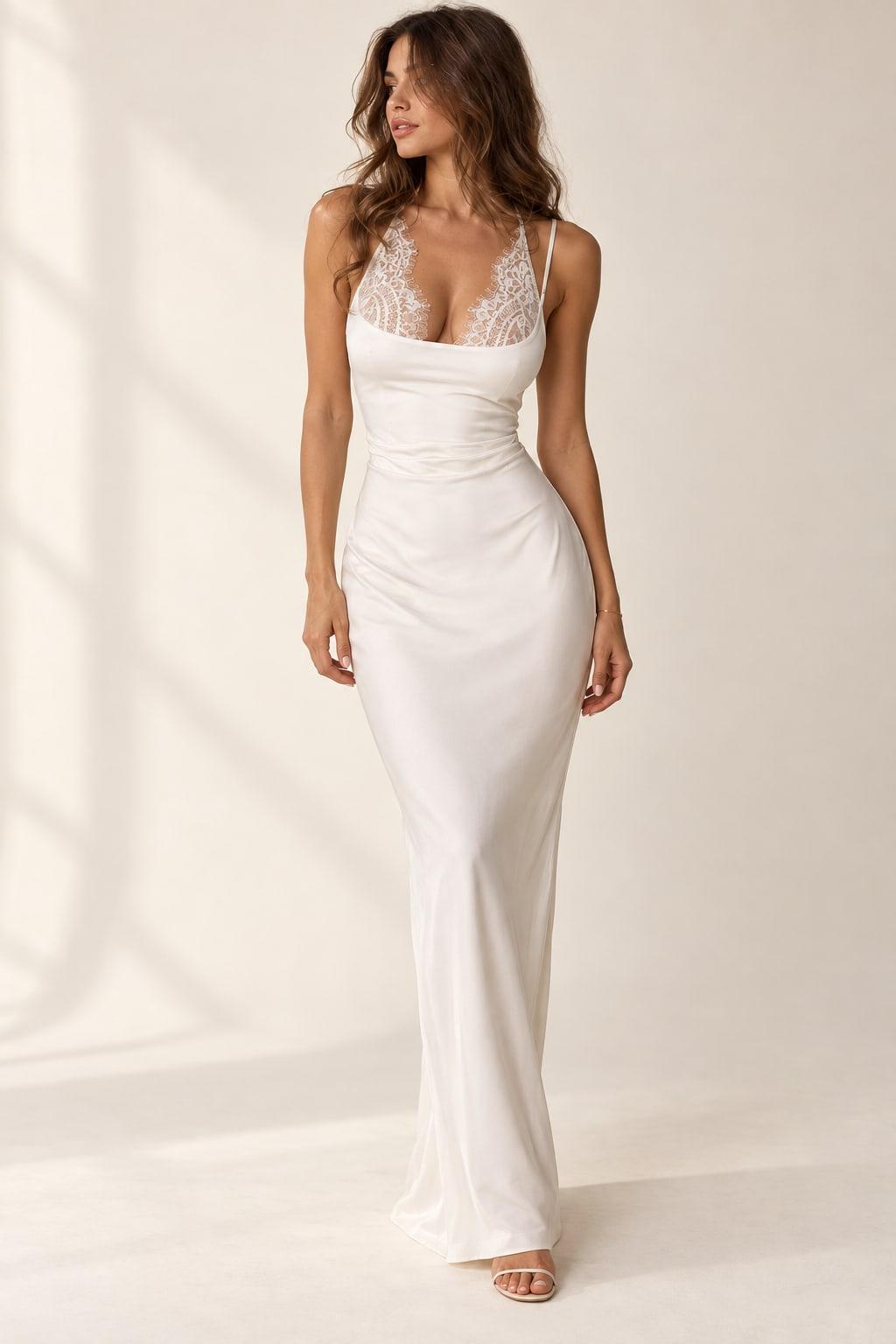
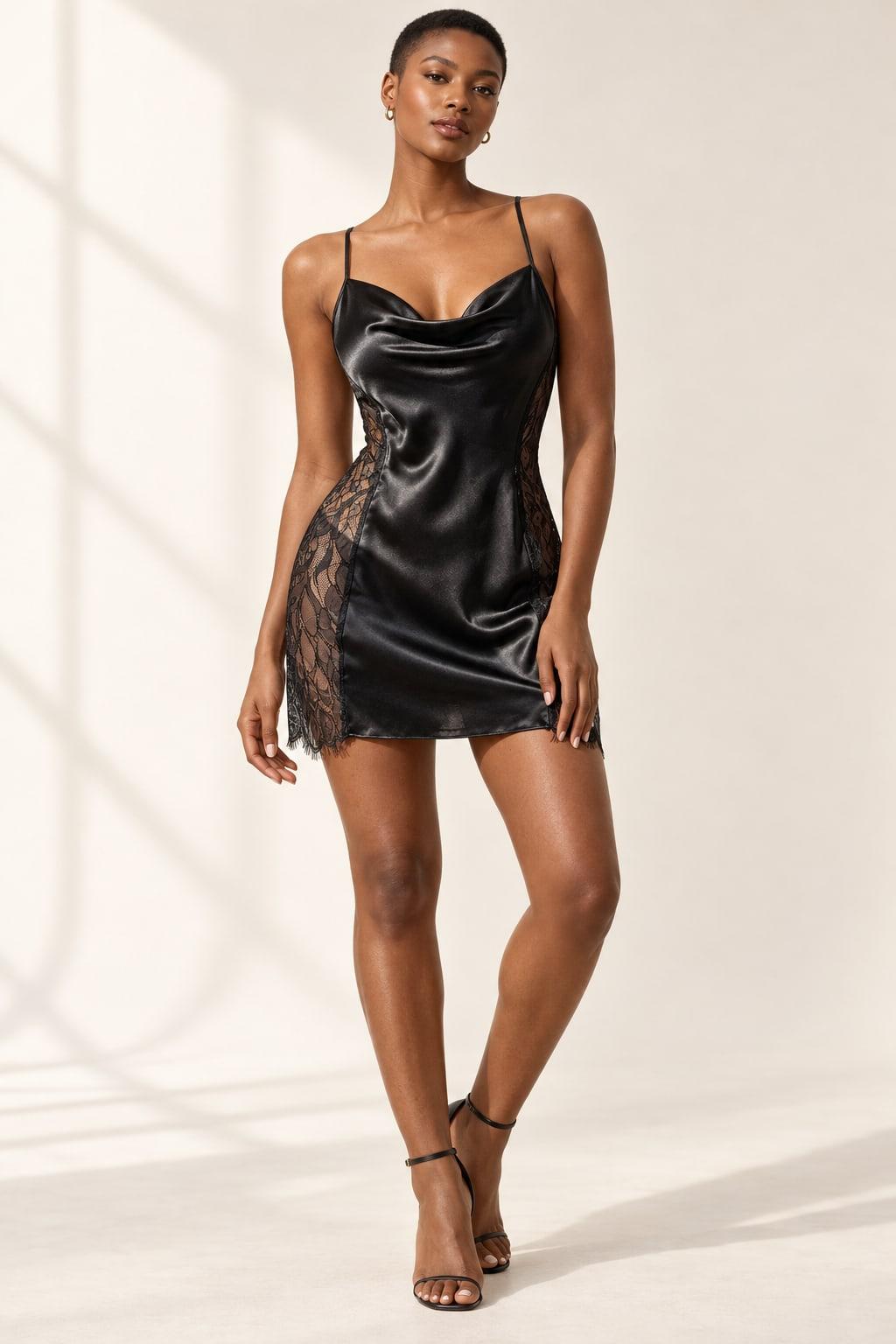
For underneath, choose seamless underwear in a shade close to your skin. A slip with lace panels or a cowl neck, like Noirelle, hides lines better than a plain, thin satin.
How to wash a silk slip
Always check the care label first. Some silks say dry clean only, and you should follow that. For silk that can be washed:
- Fill a basin with cool water and a small amount of a mild detergent made for silk or delicates. Skip bleach and products with enzymes.
- Turn the slip inside out and press it gently through the water for a few minutes. Do not scrub or soak it for long.
- Rinse in cool water until no soap is left. A dash of white vinegar in the last rinse helps remove soap.
- Do not wring it. Roll it in a clean towel and press to remove water.
- Hang it on a padded hanger or lay it flat, away from direct sun and heat.
- If it needs pressing, use a steamer or a cool iron on the reverse, with a cloth between the iron and the silk.
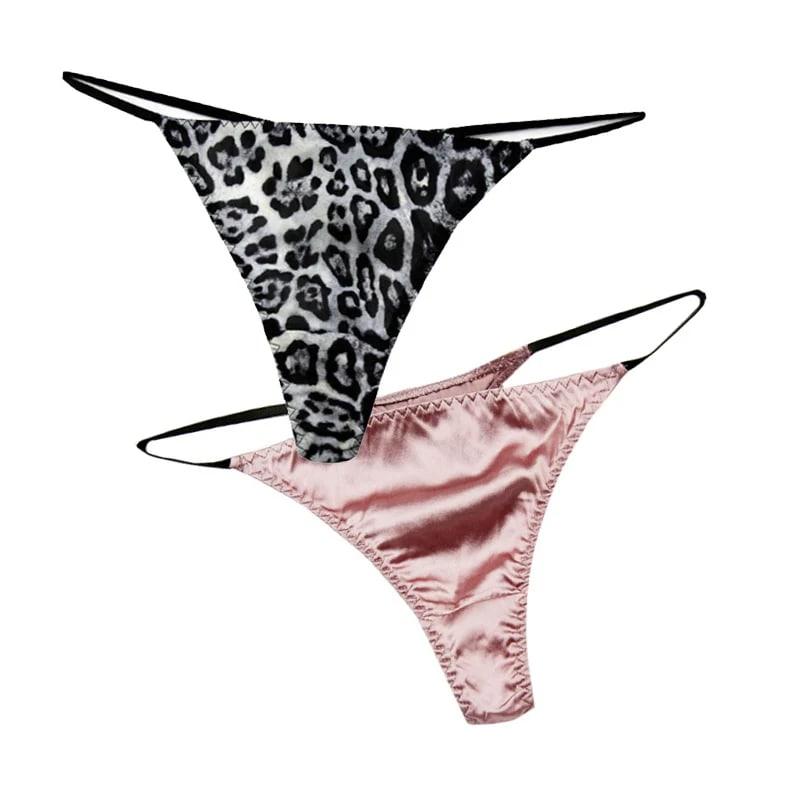
Some silk can go in a machine on a delicate or silk cycle, in a mesh bag, with cold water and a slow spin. Only do this if the label allows it. Lisane, a mulberry silk and spandex thong, is listed as hand wash cold and air dry.
How to wash a polyester satin slip
- Turn it inside out and put it in a mesh laundry bag, so it does not snag on zips and hooks.
- Wash on a cool, gentle cycle with a mild detergent.
- Hang it to dry. If you use a dryer, use low heat, since high heat can leave shiny marks and set creases.
- Iron on a low, synthetic setting, on the reverse, or use a steamer.
Storing and everyday care
- Hang slips on padded or velvet hangers, so the straps do not stretch and the fabric does not slip off.
- Put on perfume, lotion, and deodorant before you dress, and let them dry. They can leave marks, especially on silk.
- Take off rings and bracelets with sharp edges before you pull a slip on.
- Steam out creases from the bathroom shower, or with a handheld steamer, instead of ironing often.
Questions people ask
Is satin the same as silk?
No. Satin is a weave, and silk is a fiber. Satin can be made of silk, but most satin is polyester.
What does 19 momme mean?
Momme is the weight of a silk fabric. 19 momme is a medium weight, common for sleepwear and slips. Heavier silks, such as 22 momme and up, feel thicker and are less see-through.
How do I get water spots out of silk?
Wash the whole piece by hand in cool water, as above. Dabbing 1 spot often leaves a ring, because the rest of the fabric dries differently.
Find slips and satin dresses in dresses, and silk and satin sleepwear in lingerie and sleepwear.